Chronicling the Heritage of Florida’s Sunrise City
Fort Pierce, Florida · Founded 1901
Historic events
Fort Pierce, Florida, has weathered powerful hurricanes, served as the training ground for the Navy's first combat demolition units, and watched a frontier settlement grow into a county seat. From its origins as a military outpost during the Second Seminole War to the booms and busts of the twentieth century, the city's history is marked by moments of destruction, resilience, and reinvention. These are the events that shaped Fort Pierce and the communities of St. Lucie County.
A timeline of Fort Pierce history
1838
Establishment of Fort Pierce
Lieutenant Colonel Benjamin Kendrick Pierce, brother of President Franklin Pierce, establishes a military outpost during the Second Seminole War along the Indian River. The fort gives the future city its name. Learn more about the fort's origins on our Places & Landmarks page.
1901
Incorporation of the City of Fort Pierce
Fort Pierce is officially incorporated as a town. The arrival of Henry Flagler's Florida East Coast Railway in the 1890s had already begun transforming the settlement into a commercial hub for the region's growing citrus and pineapple industries.
1905
St. Lucie County established
St. Lucie County is carved out of Brevard County by the Florida Legislature, with Fort Pierce designated as the county seat. The new county encompasses a vast stretch of the Atlantic coast and interior farmland. Explore the broader county history at saintluciehistory.com.
1910
The summer the town beat Miami
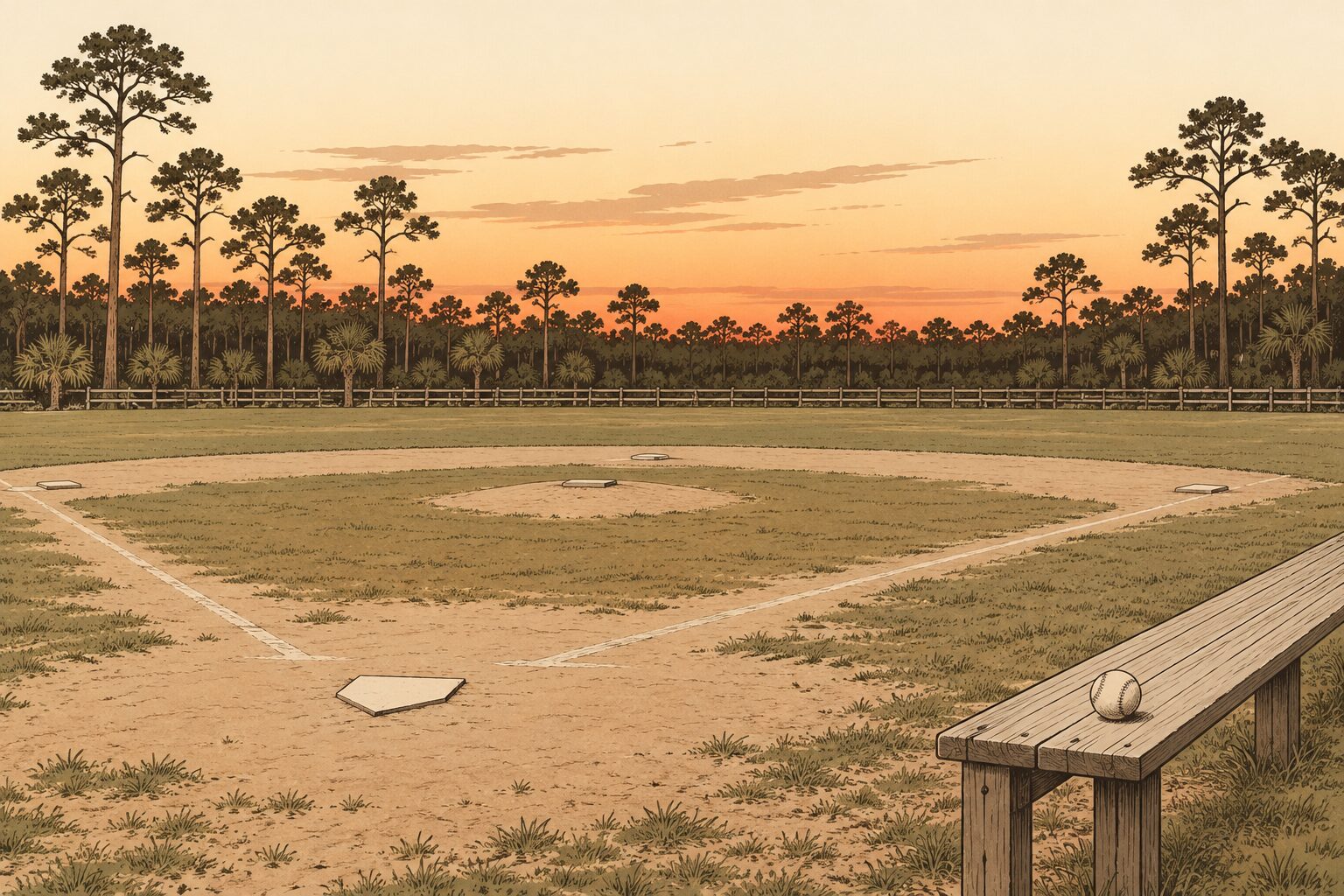
In the summer of 1910 the Fort Pierce Baseball Club splits two games in Miami, with Jim Windham pitching all eighteen innings, then beats Miami 2 to 1 and 7 to 3 on the home diamond. By the Tribune’s count Fort Pierce wins five of the eight games the two teams play that season.
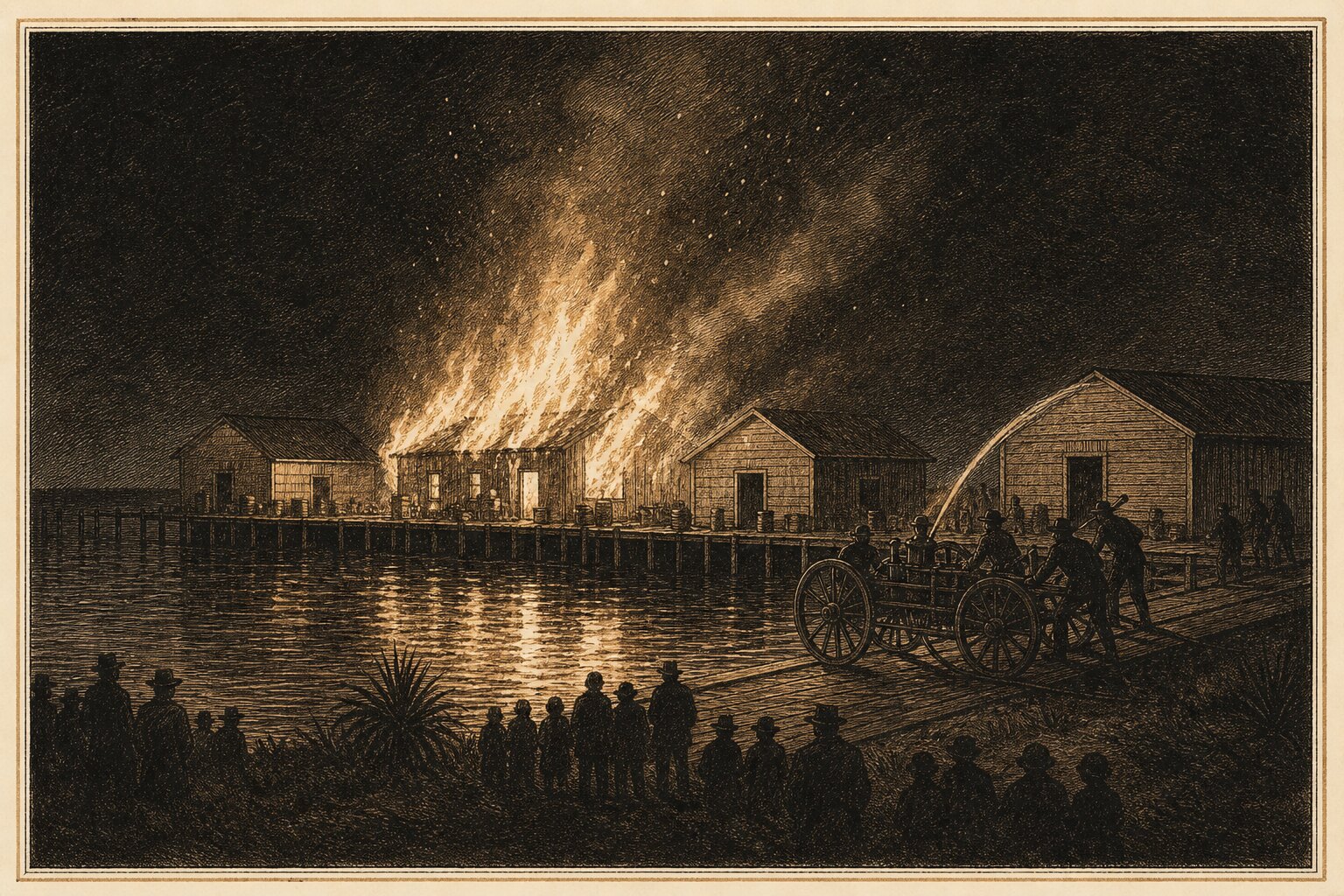
On the night of August 29, 1910, the Cross & Rutherford fish house burns on the Fort Pierce waterfront, with four more fish houses and a gasoline warehouse a few feet away. The volunteer fire department, more than a hundred citizens, and a fire engine the town had laughed at hold the blaze to one building. Three months later the council buys a gasoline engine.
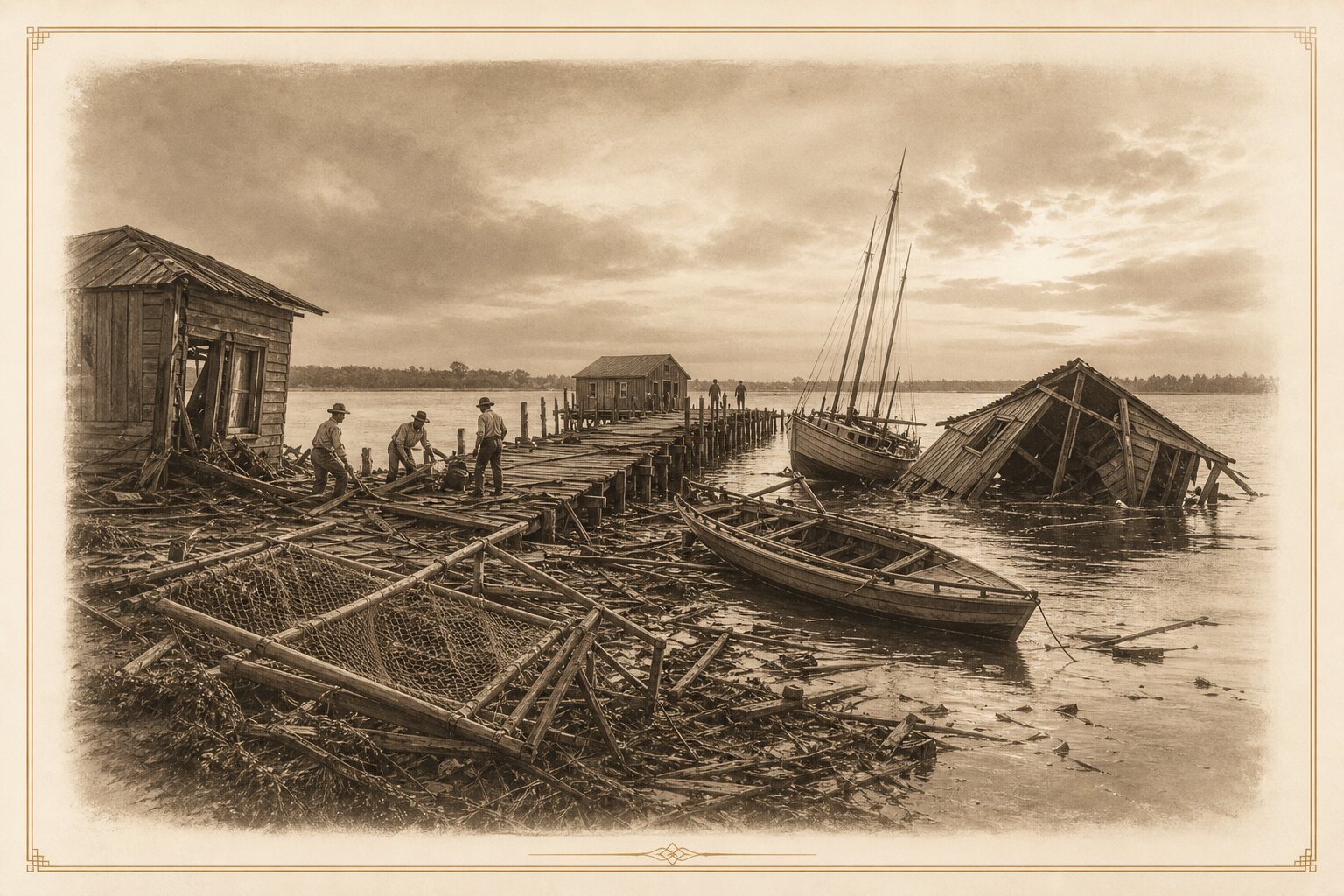
On the night of October 17, 1910, a hurricane the Weather Bureau had been warning of for five days reaches Fort Pierce, with the barometer at 29.17 and the wind at seventy miles an hour. It wrecks the wharfs and boathouses on the river front, washes out the railroad at Jupiter and Rio, and strands as many as sixty coaches of tourists in the yards. A week later the Board of Trade appoints a committee on storm signals, and in November it petitions the Weather Bureau for a flagstaff to fly its warnings.
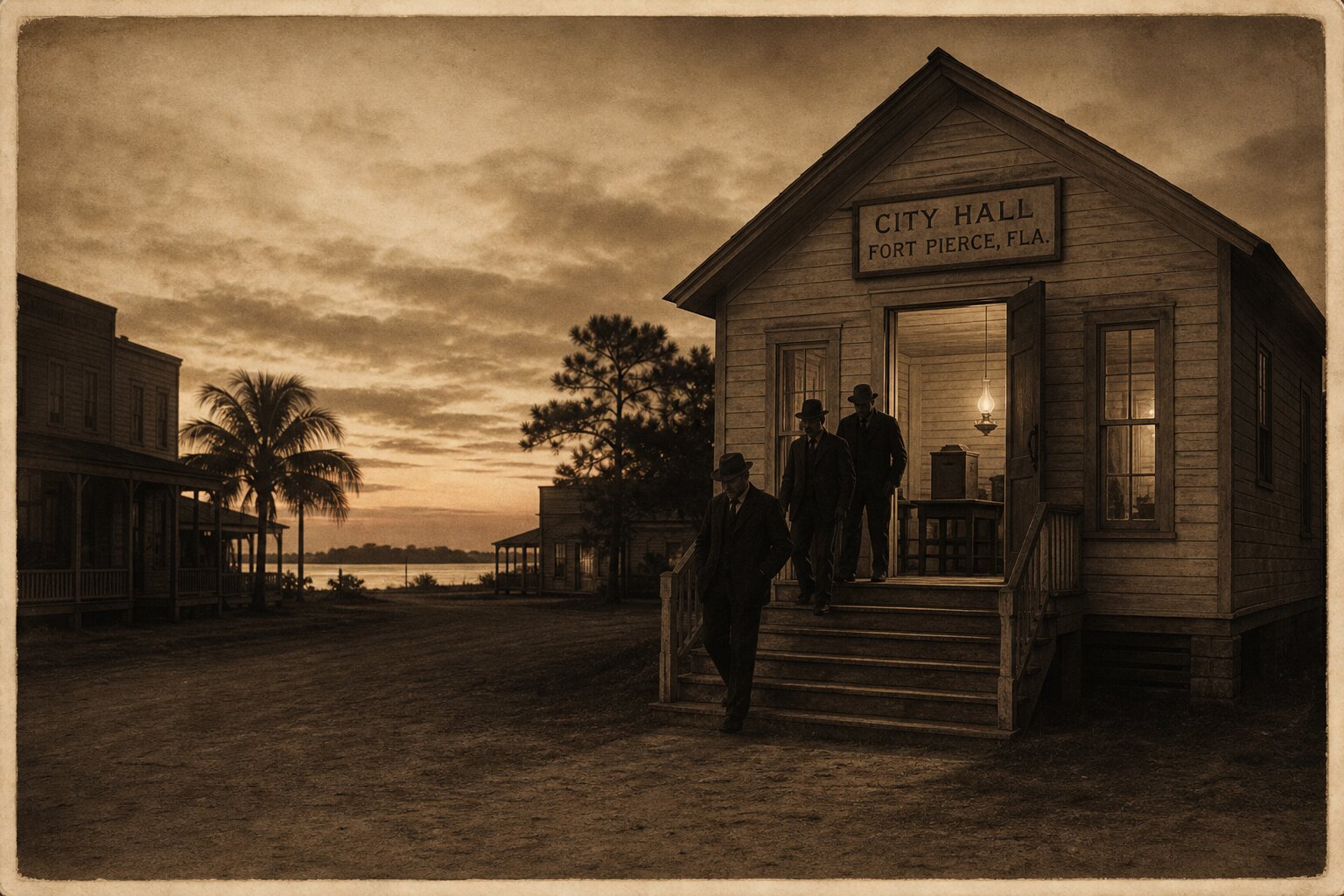
On December 12, 1911, seventy-six of the town’s eighty-two qualified voters go to the City Hall, and every one of them votes for $90,000 of bonds: $45,000 for water works, $30,000 for a system of sewerage and $15,000 for an electric light plant. Two years earlier the voters had refused a private company a thirty-year franchise to light the streets, 44 to 21.
On Sunday, September 16, 1928, a great hurricane comes ashore near West Palm Beach, fifty miles south of Fort Pierce, after a day of hurricane warnings from Miami to Daytona. It crosses Lake Okeechobee in the night; about two thousand people drown along the lake's southeast shore, and the Red Cross counts 1,836 dead in Florida by October 28.
The most intense Atlantic hurricane to make landfall in the United States strikes the Florida Keys on September 2, 1935. The devastation is in the Keys; for Fort Pierce the storm is a reminder, seven years after 1928, of how exposed the coast is.
1943–1945
WWII Amphibious Training Base & UDT training
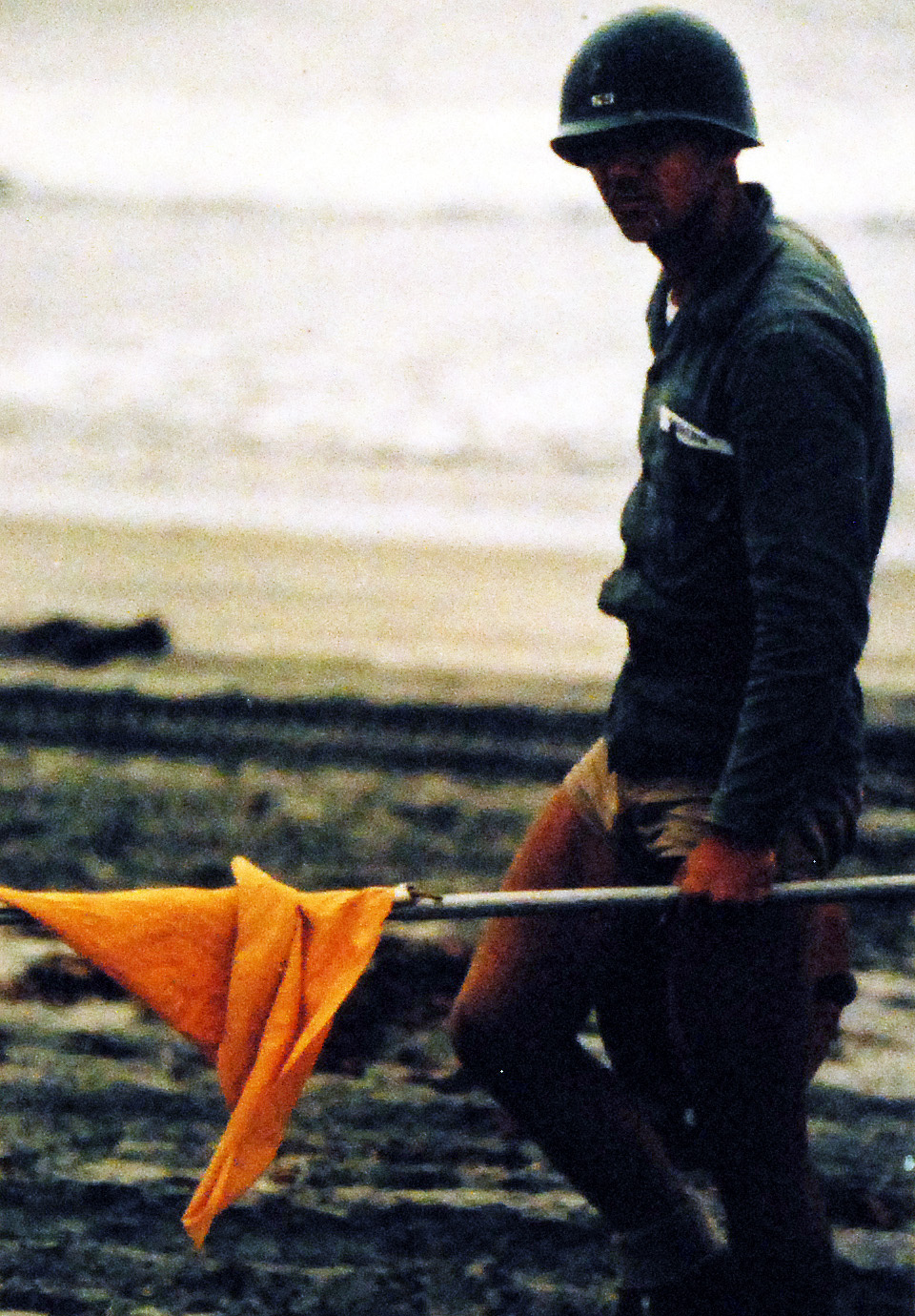
The United States Navy establishes an Amphibious Training Base at Fort Pierce on the beaches of Hutchinson Island. Here, the Naval Combat Demolition Units and Underwater Demolition Teams are forged, the direct predecessors of today's Navy SEALs. Fort Pierce earns its place in military history as the birthplace of the Navy SEALs.
Author and anthropologist Zora Neale Hurston moves to Fort Pierce, where she will spend the last years of her life. She writes for the Fort Pierce Chronicle and works as a substitute teacher at Lincoln Park Academy before her death in 1960.
1962
Desegregation of St. Lucie County schools
Following years of civil rights activism, St. Lucie County begins the process of desegregating its public schools. Fort Pierce's Black community, centered in the Lincoln Park neighborhood, had long maintained its own churches, schools, and businesses under the constraints of Jim Crow segregation.
On September 16, 1928, the center of one of the greatest hurricanes of record came ashore fifty miles south of Fort Pierce and crossed Lake Okeechobee, where about two thousand people drowned. How the town was warned, and what the record shows.
During World War II, the beaches of Fort Pierce became the training ground for the Navy's combat swimmers. The Underwater Demolition Teams trained here went on to clear the beaches at Normandy and Okinawa, and became the forebears of the Navy SEALs.
Fort Pierce organized a volunteer fire company in 1906 and bought an engine the town made fun of. On a Monday night in August 1910 that engine stood between a burning fish house and a warehouse full of gasoline, and the town stopped laughing.
In October 1909 the town watched a hurricane wreck Key West from under a cloudy sky, and a good many in town felt the Weather Bureau had missed its guess again. A year later the wind came up the river at seventy miles an hour, wrecked the wharfs, and sent the Board of Trade to the same Bureau for storm flags.
In 1909 the town would not give a private company a thirty-year franchise to light its streets, and the merchants lit the streets outside their own stores. By December 1911 it had a State Health Officer’s warning about typhoid, two engineers’ estimates and an ordinance, and it voted seventy-six to nothing to borrow $90,000 and build its own water works, sewers and light plant.
In 1909 the club’s manager claimed one loss in nine and dared Titusville to match it. In 1910 Fort Pierce beat the Kentucky Military Institute’s cadets 10 to 3 and took five of eight from Miami, and in 1911 it beat Eau Gallie 7 to 6 in thirteen innings as the light ran out.
More Fort Pierce history
The events above represent some of the most consequential moments in Fort Pierce's past, but the city's story extends far beyond hurricanes and wartime. Explore the people who built this community, the places that define its character, and the industries that sustained it through decades of change. For the broader history of the region, visit our sister publication, The St. Lucie Record.