Tourism & hospitality
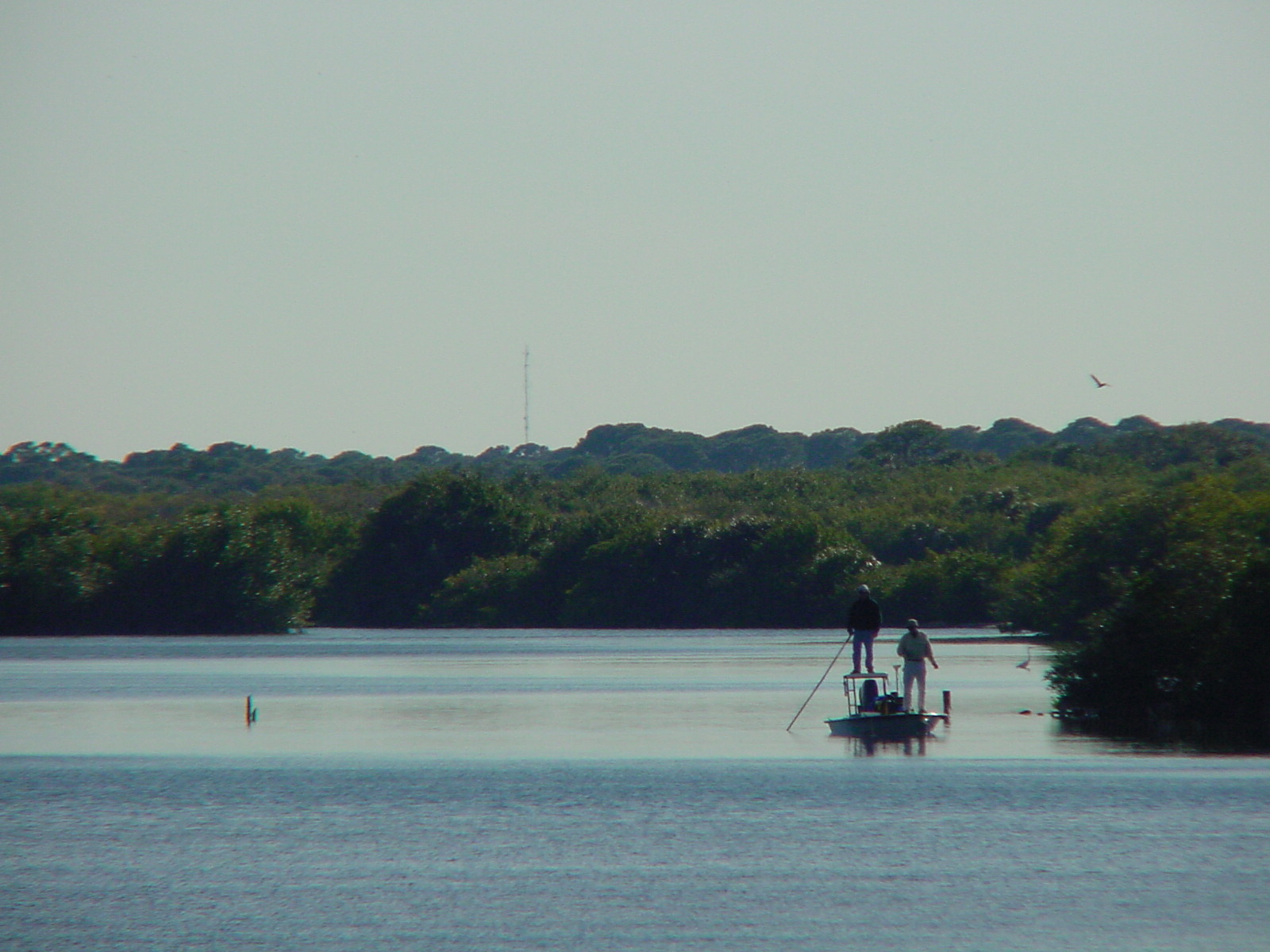
Tourism has been a growing force in the Fort Pierce economy since the early twentieth century. The arrival of the Florida East Coast Railway in the 1890s opened the region to northern visitors, and by the 1920s, Fort Pierce was marketing itself as a destination for sport fishing, warm winters, and the natural beauty of the Indian River. The construction of hotels, motor courts, and later resort-style accommodations along the coast sustained a hospitality industry that continues today. Fort Pierce's beaches, its Indian River Lagoon, and its historic downtown remain draws for visitors from across the country.
Real estate & development
Like much of Florida, Fort Pierce experienced dramatic land booms and busts. The 1920s Florida land boom brought speculators and developers to St. Lucie County, transforming agricultural land into platted subdivisions. While the 1926 hurricane and the subsequent bust slowed development, growth resumed after World War II as returning servicemen (many of whom had trained at nearby military installations) settled permanently on the Treasure Coast. The real estate industry has remained a significant economic driver, particularly during the growth periods of the 1970s, 1990s, and early 2000s.
Agriculture beyond citrus
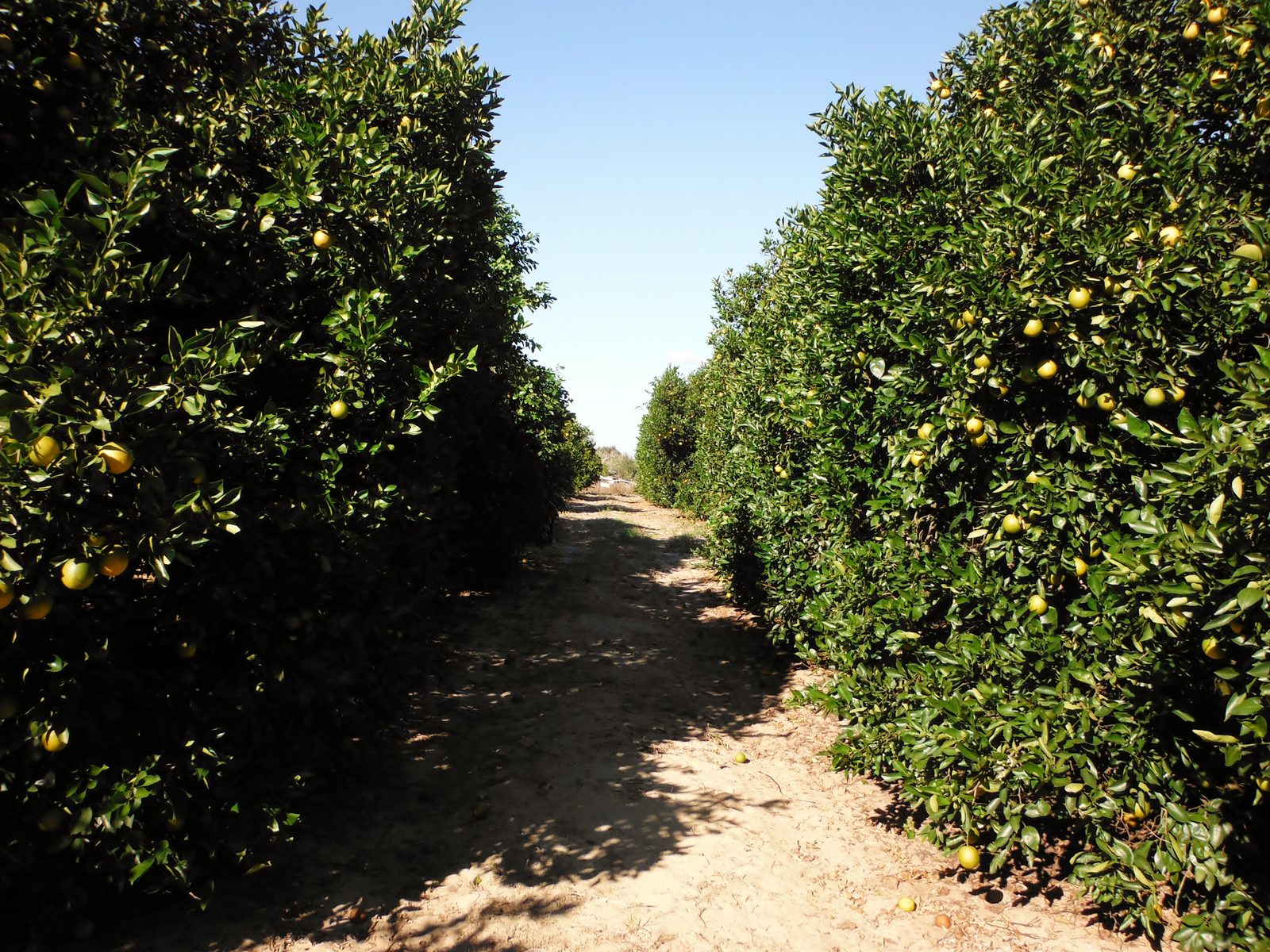
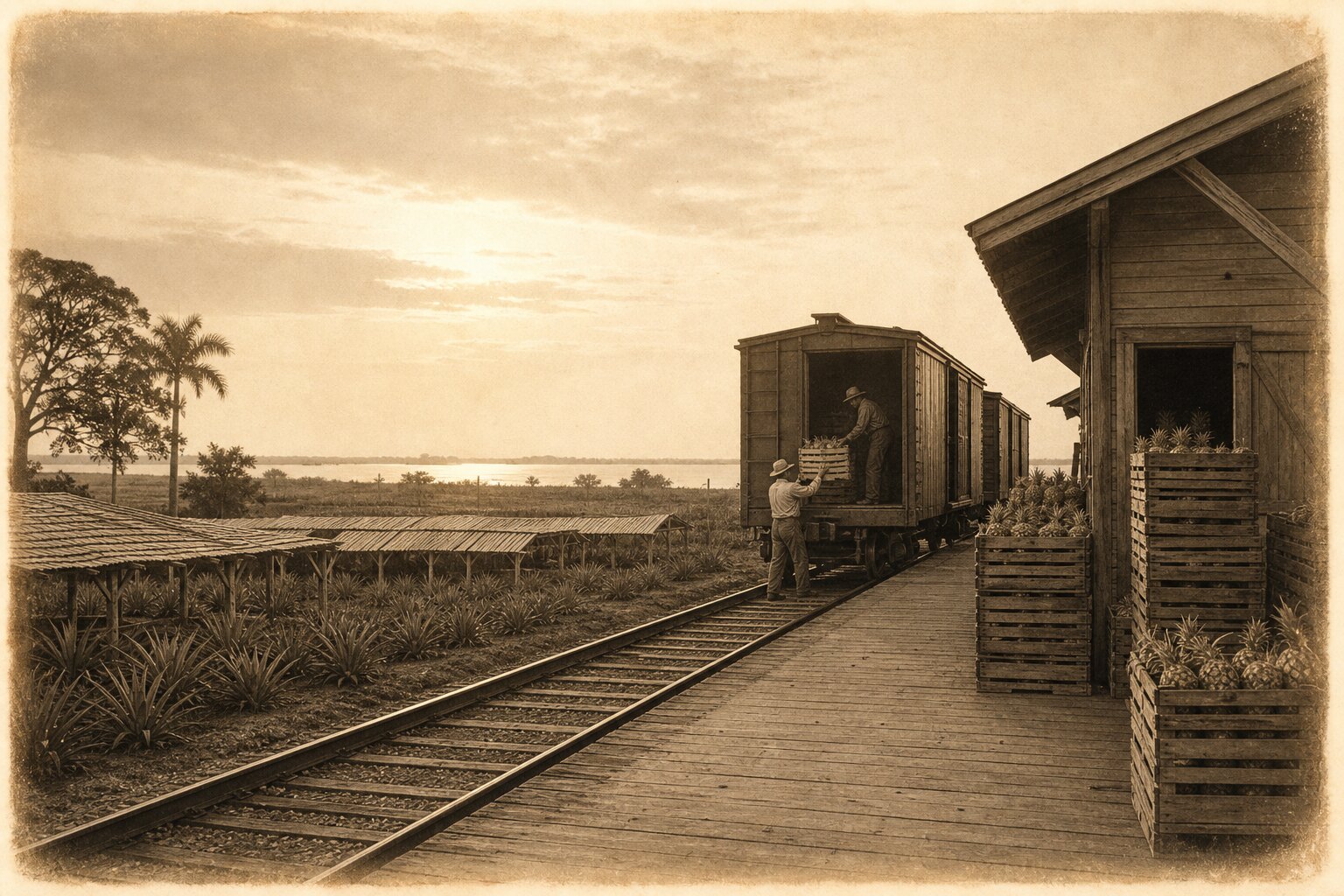
Before citrus dominated, the pineapple was the county’s great crop, and the town’s own papers carried it as their largest subject from 1905 to 1911; that story is told in The Fort Pierce pineapple years. St. Lucie County farmers also grew vegetables including tomatoes and beans, and later ran cattle on the inland prairies west of town. The rich soils and long growing season made the Fort Pierce area productive for a variety of crops, and agriculture in various forms has persisted even as urbanization has expanded. The region's agricultural heritage is closely tied to the broader story of St. Lucie County history.
Military & defense
During World War II, Fort Pierce became a critical military training site. The U.S. Navy established the Amphibious Training Base on North Hutchinson Island, where Naval Combat Demolition Units (the predecessors of today's Navy SEALs) trained for the D-Day invasion and Pacific operations. This military presence injected federal spending into the local economy, brought thousands of personnel to the area, and left a lasting legacy that Fort Pierce honors to this day at the National Navy UDT-SEAL Museum.