Settlement & frontier
Fort Pierce established
Lieutenant Colonel Benjamin Kendrick Pierce (brother of future President Franklin Pierce) establishes a military outpost on the Indian River during the Second Seminole War. The fort is part of a chain of defensive positions stretching across Florida’s frontier. Soldiers build a simple log stockade overlooking the river, a site that will one day become downtown Fort Pierce.
Read: Historic DowntownFort abandoned
With the Armed Occupation Act encouraging civilian settlement and the Second Seminole War winding down, the military decommissions Fort Pierce. The stockade is left to the elements, but the name endures. For the next two decades, the area remains sparsely populated, home only to a handful of homesteaders and the remnants of the Ais people who once thrived along these shores.
First permanent settlers
After the Civil War, the first wave of permanent settlers arrives in the Fort Pierce area, drawn by the Homestead Act and the promise of rich subtropical land. Families stake claims along the Indian River, clearing palmetto scrub to plant gardens and build simple homes from local pine. The Indian River itself becomes their highway, mail, supplies, and news arrive by boat.
Read: Indian River LagoonIndian River pineapple boom
Settlers discover that the sandy soils and subtropical climate along the Indian River are ideal for pineapple cultivation. Fort Pierce becomes part of the “Indian River Pineapple District,” shipping thousands of crates to northern markets. The fruit sells for premium prices, and for a golden era that lasted into the 1910s, tiny Fort Pierce is connected to dining tables in New York City via the Indian River pineapple brand.
Read: The Fort Pierce pineapple yearsGrowth & incorporation
The railroad arrives
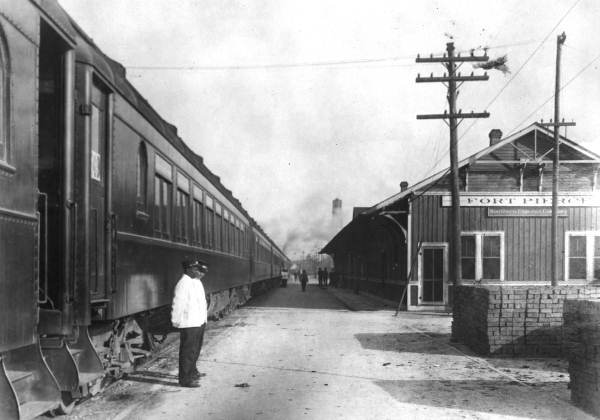
Henry Flagler’s Florida East Coast Railway reaches Fort Pierce, shattering the town’s isolation. Within months, the tempo of life accelerates. Citrus growers can now ship fruit north by rail instead of the slow steamboat route up the Indian River. New settlers pour in. Hotels, stores, and homes spring up around the depot. Fort Pierce transforms overnight from a riverside hamlet into a bona fide railroad town.
 Read: Historic Downtown
The Great Freeze
A catastrophic freeze sweeps through Florida in February 1895, following another severe frost in December 1894. The back-to-back freezes devastate citrus groves across the state. Ironically, the destruction pushes the citrus industry southward, into St. Lucie County and the Indian River region, where the moderating warmth of the lagoon offers a measure of protection. Fort Pierce’s citrus era begins in the aftermath of disaster.
Read: Citrus Industry HistoryFort Pierce incorporated
The town of Fort Pierce is officially incorporated with a population of roughly 300 residents. The act of incorporation establishes a formal government, giving the growing community the tools to build roads, establish schools, and maintain order. It is a turning point: Fort Pierce is no longer a frontier settlement. It is a town with ambitions.
St. Lucie County created
The Florida Legislature carves St. Lucie County from the vast territory of Brevard County, with Fort Pierce named the county seat, at first on a temporary footing. The new county stretches from the Atlantic Ocean to Lake Okeechobee. Having its own county government accelerates Fort Pierce’s development, though the county begins with no courthouse at all: in 1906 the commissioners rent a club hall for the courts and secure a site, and the permanent courthouse opens in February 1910, with the circuit court sitting in it for the first time on February 15. The town becomes the administrative and commercial hub of the region.
Dan McCarty born
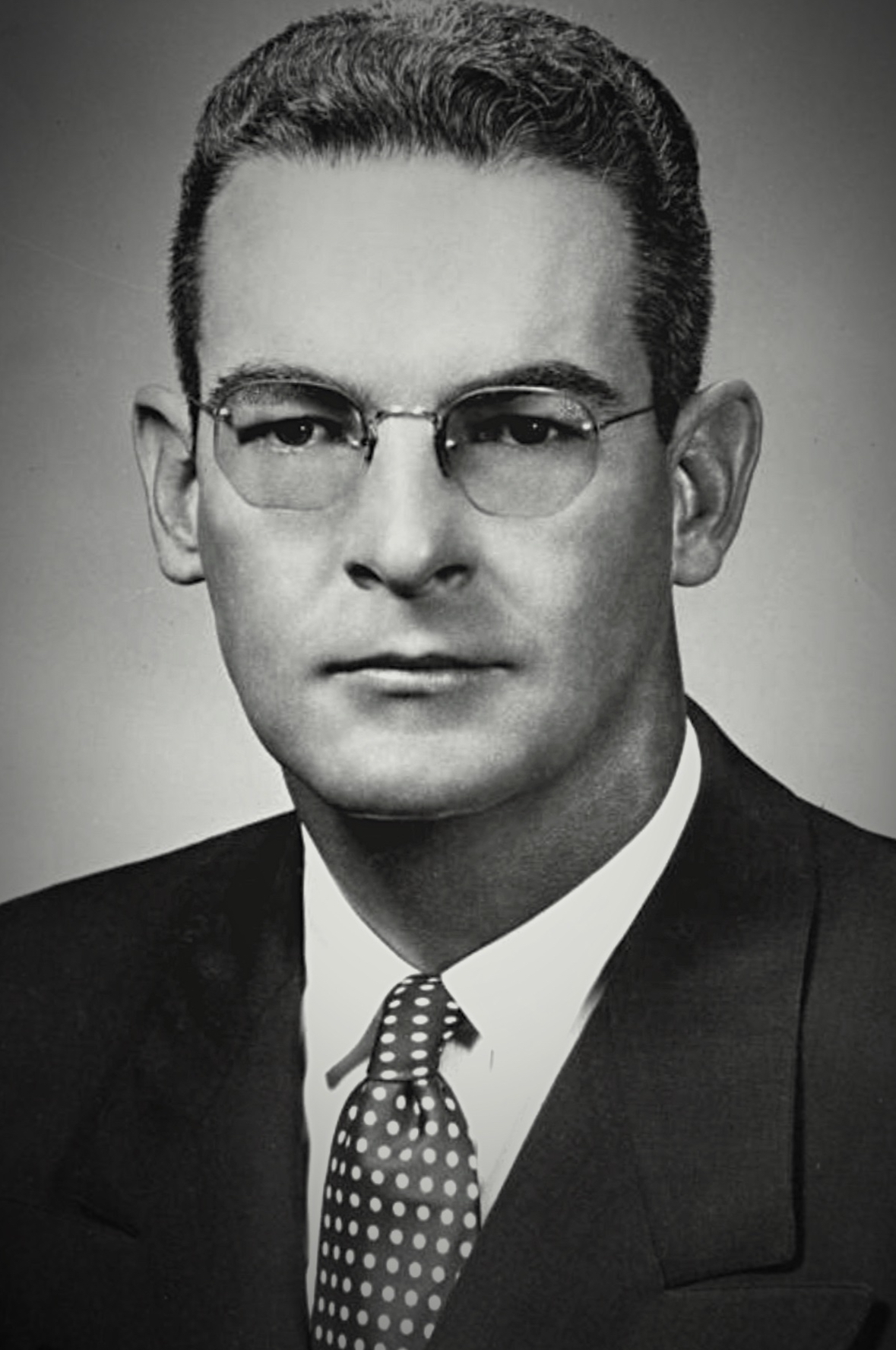
Daniel Thomas McCarty is born in Fort Pierce on January 18, the son of a prominent citrus-growing family. He will grow up in the groves, attend Fort Pierce High School, and go on to become a decorated war veteran and Governor of Florida, a native son whose story is inseparable from the story of Fort Pierce itself.
 Read: Dan McCarty
Fort Pierce Inlet opened
After years of effort, the Fort Pierce Inlet is permanently opened, connecting the Indian River Lagoon to the Atlantic Ocean. The inlet transforms Fort Pierce’s economy. Commercial fishing boats can now reach deep-water fishing grounds directly. A fleet of fishing vessels grows along the waterfront, and fish houses multiply. Fort Pierce becomes a working Atlantic fishing port.
Read: Fishing IndustrySunrise Theatre opens
The Sunrise Theatre opens its doors on Second Street as a grand vaudeville and motion picture palace. With its ornate Mediterranean Revival architecture, the theatre becomes the cultural heart of Fort Pierce, the place where the community gathers for entertainment, celebrations, and shared experience. The building will endure through boom and bust, closing in 1983, before a triumphant restoration in 2006.
Read: Historic DowntownThe great hurricane
On Sunday, September 16, 1928, the Okeechobee Hurricane comes ashore near West Palm Beach, fifty miles south of Fort Pierce, after hurricane warnings have flown from Miami to Daytona since the morning. In the night it crosses Lake Okeechobee, and where the lake overflows its southeast shore, at Belle Glade, Pahokee and South Bay, about two thousand people drown. The Red Cross counts 1,836 dead in Florida by October 28.
 Read: The 1928 Okeechobee Hurricane
“Their Eyes Were Watching God”
Zora Neale Hurston publishes her masterwork, a novel that depicts the 1928 Okeechobee Hurricane through the eyes of Janie Crawford. The book draws on Hurston’s deep knowledge of Black folk life in Florida and will one day be a fixture of American literature courses. Two decades later, Hurston will make Fort Pierce her final home.
Read: Zora Neale HurstonWar & mid-century
Navy frogmen train at Fort Pierce
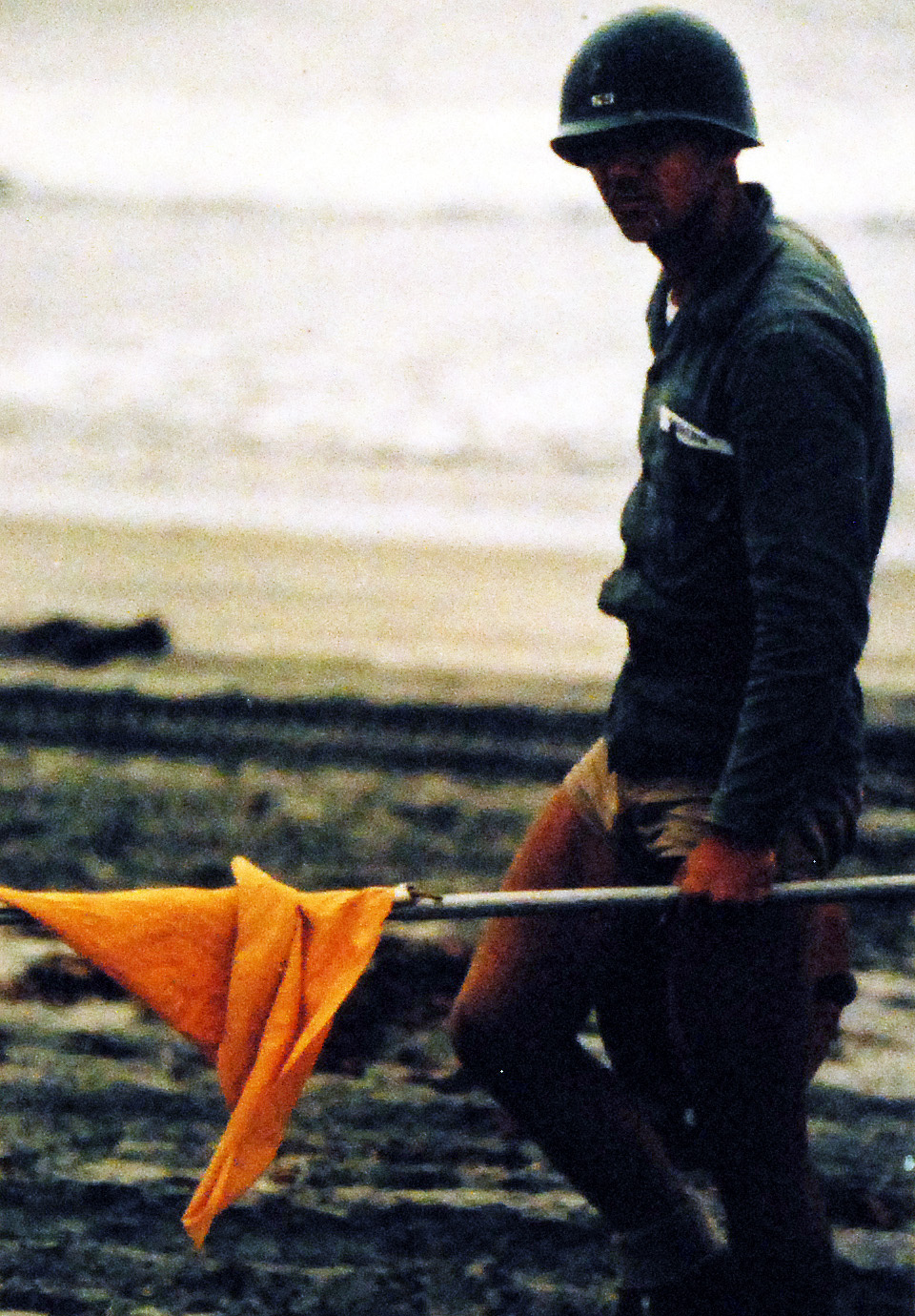
The U.S. Navy establishes the Amphibious Training Base on the beaches of North Hutchinson Island. Here, the first Naval Combat Demolition Units and Underwater Demolition Teams are forged through brutal training, including the infamous “Hell Week.” Over 3,500 men will train on these beaches during the war. Fort Pierce earns its enduring title: the Birthplace of the Navy SEALs.
 Read: WWII UDT Training
D-Day: frogmen clear the beaches
On June 6, 1944, Naval Combat Demolition Units trained at Fort Pierce swim ashore at Omaha and Utah beaches under withering German fire. Their mission: to blow apart the steel obstacles, concrete tetrahedrons, and wooden stakes that Rommel has planted to shred Allied landing craft. They succeed, at terrible cost. The men of Fort Pierce’s training base help make the liberation of Europe possible.
Read: WWII UDT TrainingMcCarty elected governor
Fort Pierce native Dan McCarty, a WWII veteran and decorated Bronze Star recipient who participated in the D-Day landings, is elected the 31st Governor of Florida at the age of forty. The citrus grower’s son from St. Lucie County takes the oath of office on January 6, 1953, the pride of Fort Pierce elevated to the state’s highest office.
Read: Dan McCartyGovernor McCarty dies in office
Tragedy strikes Fort Pierce. Governor Dan McCarty suffers a heart attack in February 1953, only weeks into his term. He never fully recovers, and on September 28 he dies at age 41. Fort Pierce mourns its favorite son. Dan McCarty Road is named in his honor, and his legacy endures as a symbol of the ambition and public service that the city instilled in its children.
Read: Dan McCartyHurston comes to Fort Pierce
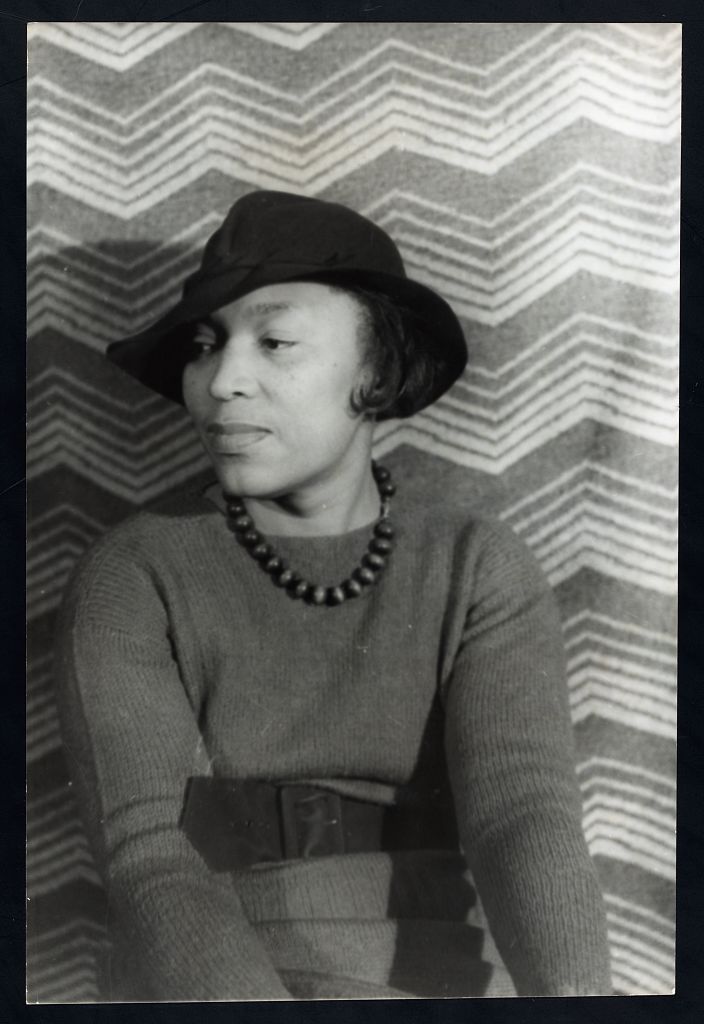
Author and anthropologist Zora Neale Hurston, once the toast of the Harlem Renaissance, moves into a small concrete-block house at 1734 School Court in Fort Pierce. Now in her sixties, she takes work as a substitute teacher at Lincoln Park Academy and writes a column for the Fort Pierce Chronicle, the local Black newspaper. The world has largely forgotten her, but she continues to write.
 Read: Zora Neale Hurston
Hurston dies in Fort Pierce
Zora Neale Hurston dies on January 28, 1960, in a Fort Pierce welfare home. She is buried in an unmarked grave at the Garden of Heavenly Rest, a segregated cemetery. Her literary masterpieces are out of print. It will take thirteen years for the world to rediscover her, and it will happen because someone comes looking for her in Fort Pierce.
Read: Zora Neale HurstonSchools desegregated
Fort Pierce schools undergo desegregation, ending decades of legally enforced racial separation in education. Lincoln Park Academy, the historically Black school where Hurston once taught, transitions into the integrated school system. The change is part of the broader civil rights transformation sweeping the American South, a difficult, necessary reckoning that reshapes Fort Pierce’s social fabric.
Modern era
Alice Walker finds Hurston’s grave
Author Alice Walker travels to Fort Pierce on a literary pilgrimage, searching for Zora Neale Hurston’s burial site. She finds the Garden of Heavenly Rest cemetery overgrown with weeds. Walker marks the approximate site with a headstone reading “A Genius of the South.” Her 1975 essay in Ms. Magazine about the experience triggers a national Hurston revival. Fort Pierce becomes a site of literary pilgrimage.
Read: Zora Neale HurstonChristmas Eve Freeze
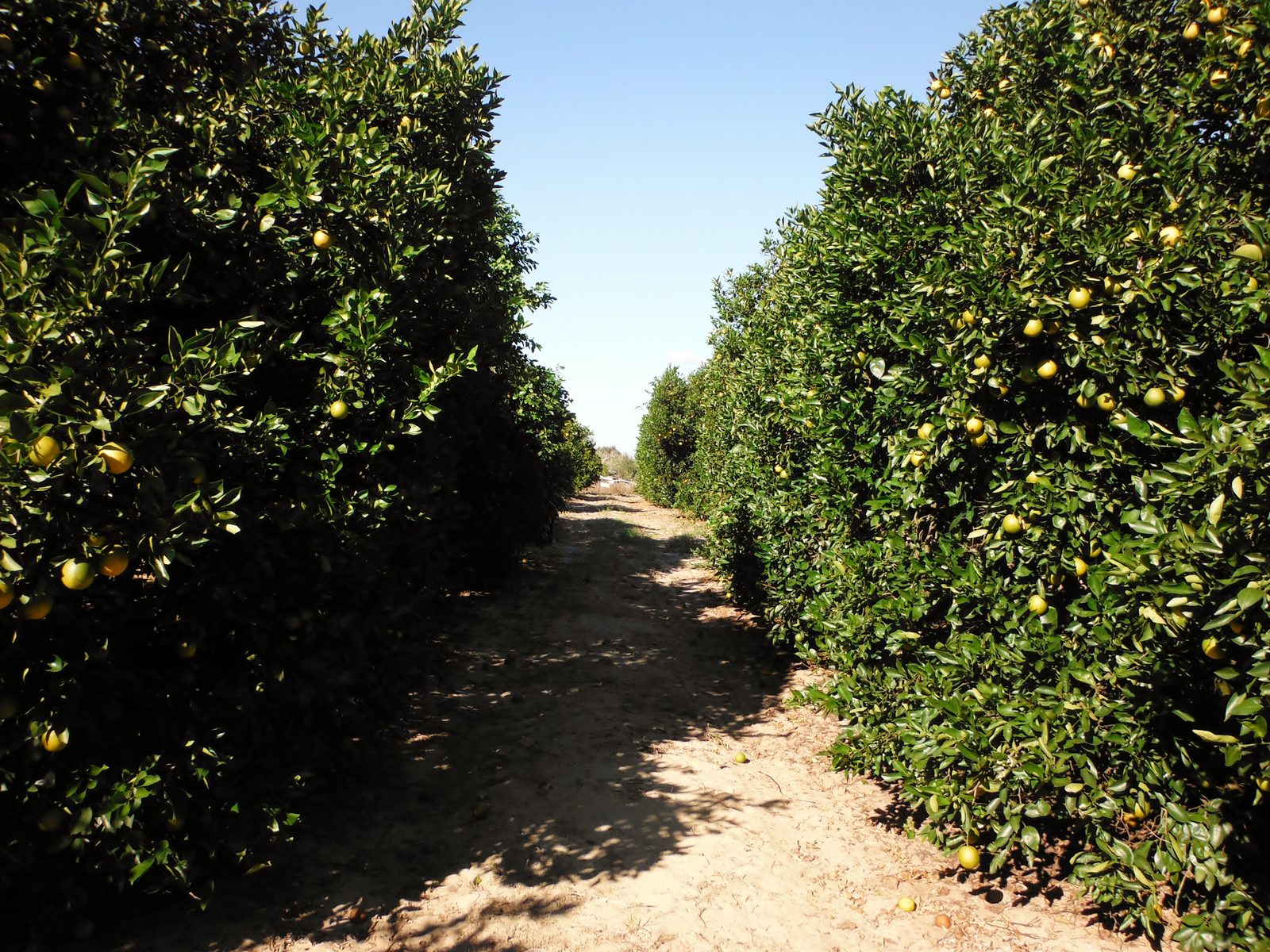
A devastating freeze strikes on Christmas Eve, sending temperatures plummeting across St. Lucie County. Citrus groves that have produced fruit for generations are damaged. It is the beginning of a brutal decade for the Indian River citrus industry. Two more catastrophic freezes will follow in 1985 and 1989, permanently shifting Florida’s citrus belt southward and ending an era in Fort Pierce.
 Read: Citrus Industry
The Great Freeze
January 1985 brings another catastrophic freeze, even worse than the 1983 event. Temperatures drop into the teens across St. Lucie County for multiple nights. Thousands of acres of citrus are killed outright. Packing houses that have operated for decades close their doors. Workers lose their livelihoods. The freeze accelerates a fundamental economic transition for Fort Pierce, away from agriculture and toward tourism, services, and real estate.
Read: Citrus IndustryFlorida net ban
Florida voters approve a constitutional amendment banning the use of entanglement gill nets and limiting other net sizes in state waters. The amendment devastates Fort Pierce’s commercial fishing fleet almost overnight. Generations of fishing families who have worked the Indian River and the Atlantic are forced to find new livelihoods. The fish houses along the waterfront begin to close, ending a way of life that defined Fort Pierce for a century.
Read: Fishing IndustryContemporary Fort Pierce
Twin hurricanes
In one of the most punishing hurricane seasons in Florida history, Hurricane Frances makes landfall near Fort Pierce on September 5, followed just three weeks later by Hurricane Jeanne striking almost the same spot on September 25. The back-to-back hits cause billions of dollars in damage across St. Lucie County, destroying roofs, flooding neighborhoods, and uprooting thousands of trees. Fort Pierce endures, as it always has.
Sunrise Theatre reborn
After a painstaking $20 million restoration, the Sunrise Theatre reopens as a performing arts venue. The 1,200-seat theatre is returned to its 1923 glory, with restored plasterwork, period lighting, and modern acoustics. It becomes the anchor of downtown revitalization, a symbol that Fort Pierce honors its past while building its future. Live performances, concerts, and community events fill the calendar.
Read: Historic DowntownUDT-SEAL Museum expansion
The National Navy UDT-SEAL Museum on North Hutchinson Island (built on the very beaches where the frogmen trained during World War II) completes a major expansion. The museum houses artifacts, training equipment, vehicles, and the personal stories of the men who forged the SEAL tradition. It draws over 100,000 visitors a year.
Read: WWII UDT TrainingDowntown Renaissance
Fort Pierce’s downtown revitalization reaches a critical mass. New galleries, restaurants, and boutiques fill the historic storefronts along Orange Avenue and Second Street. The Fort Pierce Farmers’ Market draws thousands each weekend. The city leverages its waterfront location, its artistic community, and its authentic character to carve out an identity distinct from the sprawl that characterizes much of coastal Florida.
Read: Historic DowntownThe story continues
Fort Pierce enters a new chapter. The city balances growth with preservation, honoring the places and people that made it while embracing what comes next. The Indian River still shimmers at sunrise. The Sunrise Theatre still fills with music. The beaches where frogmen trained still face the Atlantic. And The Fort Pierce Annals continues to chronicle it all, one story at a time.
Return to The Fort Pierce Annals