The Archives
The Fort Pierce Annals maintains a growing collection of articles on the history of Fort Pierce, Florida. From the writers and governors who called this city home, to the hurricanes and wars that tested its resilience, to the industries that built its economy, our archive covers the full sweep of Fort Pierce history. The articles are written to preserve these stories for future generations.
Browse the collection below, organized across our four main sections: People, Events, Places, and Industries. New articles are added regularly as our research continues.
People
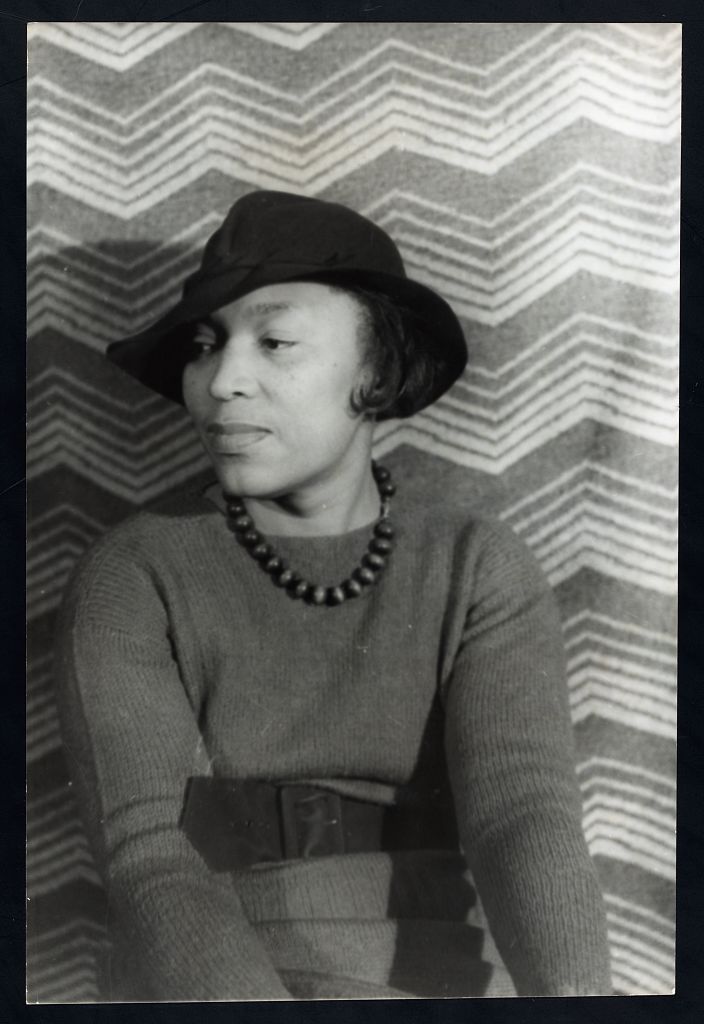
Zora Neale Hurston, author of Their Eyes Were Watching God and a central figure of the Harlem Renaissance, spent the last years of her life in Fort Pierce. She arrived in 1957, took work as a substitute teacher, and kept writing even as the literary world forgot her. Alice Walker came looking for her unmarked grave in 1973, and the search brought her books back into print.
People · Literature · Fort Pierce History
People
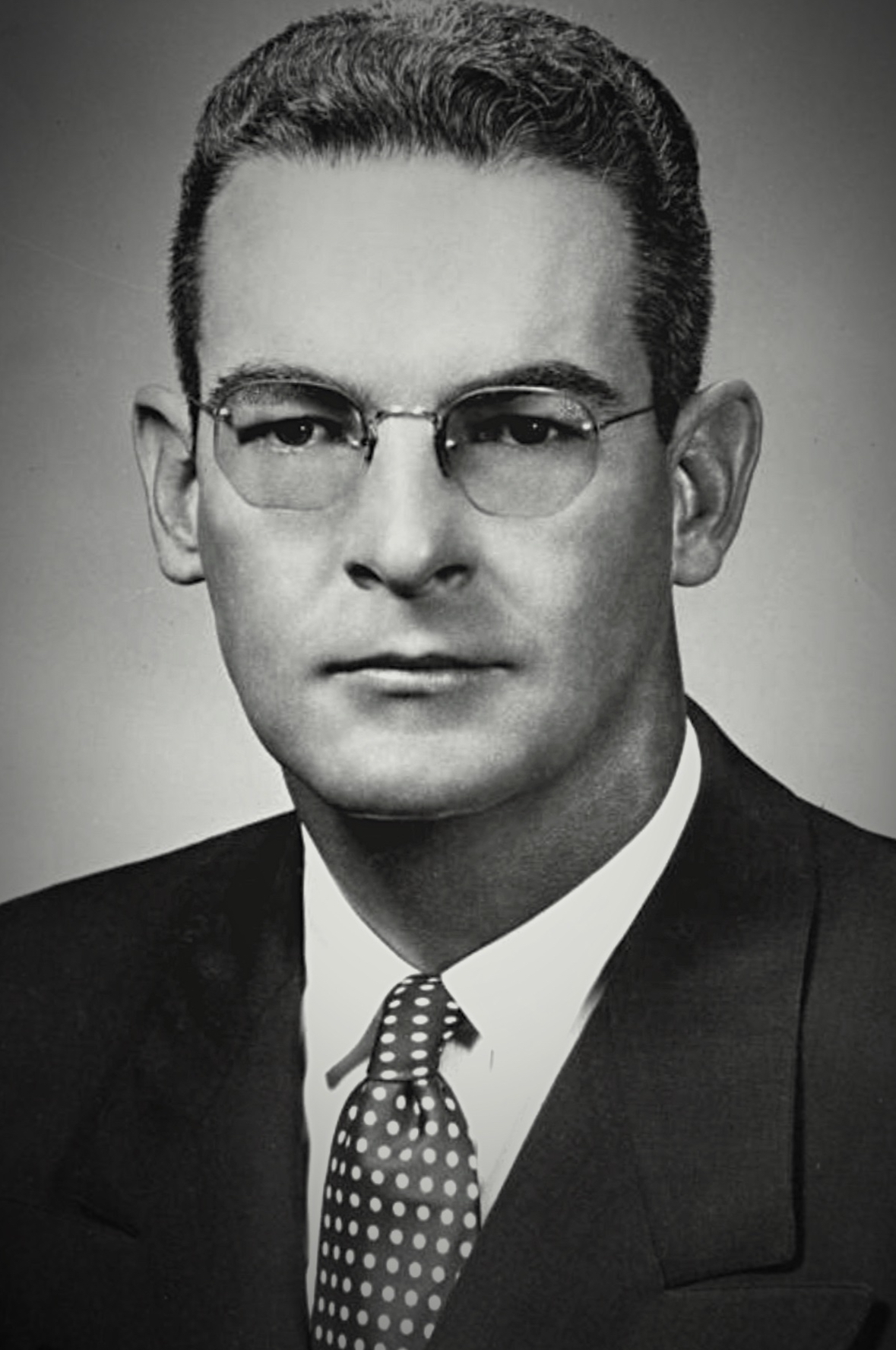
Daniel Thomas McCarty was born into a prominent Fort Pierce citrus family in 1912 and went on to become the 31st Governor of Florida. A combat veteran of World War II who earned the Bronze Star, McCarty championed education reform and environmental conservation before his sudden death in office in September 1953, just nine months into his term. Fort Pierce’s McCarty Road and a local school bear his name to this day.
People · Politics · Fort Pierce History
Events
The Okeechobee Hurricane of September 1928 came ashore near West Palm Beach, fifty miles south of Fort Pierce, on a Sunday evening after a day of hurricane warnings from Miami to Daytona. It crossed Lake Okeechobee in the night, where about two thousand people drowned; the Red Cross counted 1,836 dead in Florida by October 28.
Events · Natural Disasters · Fort Pierce History
Events
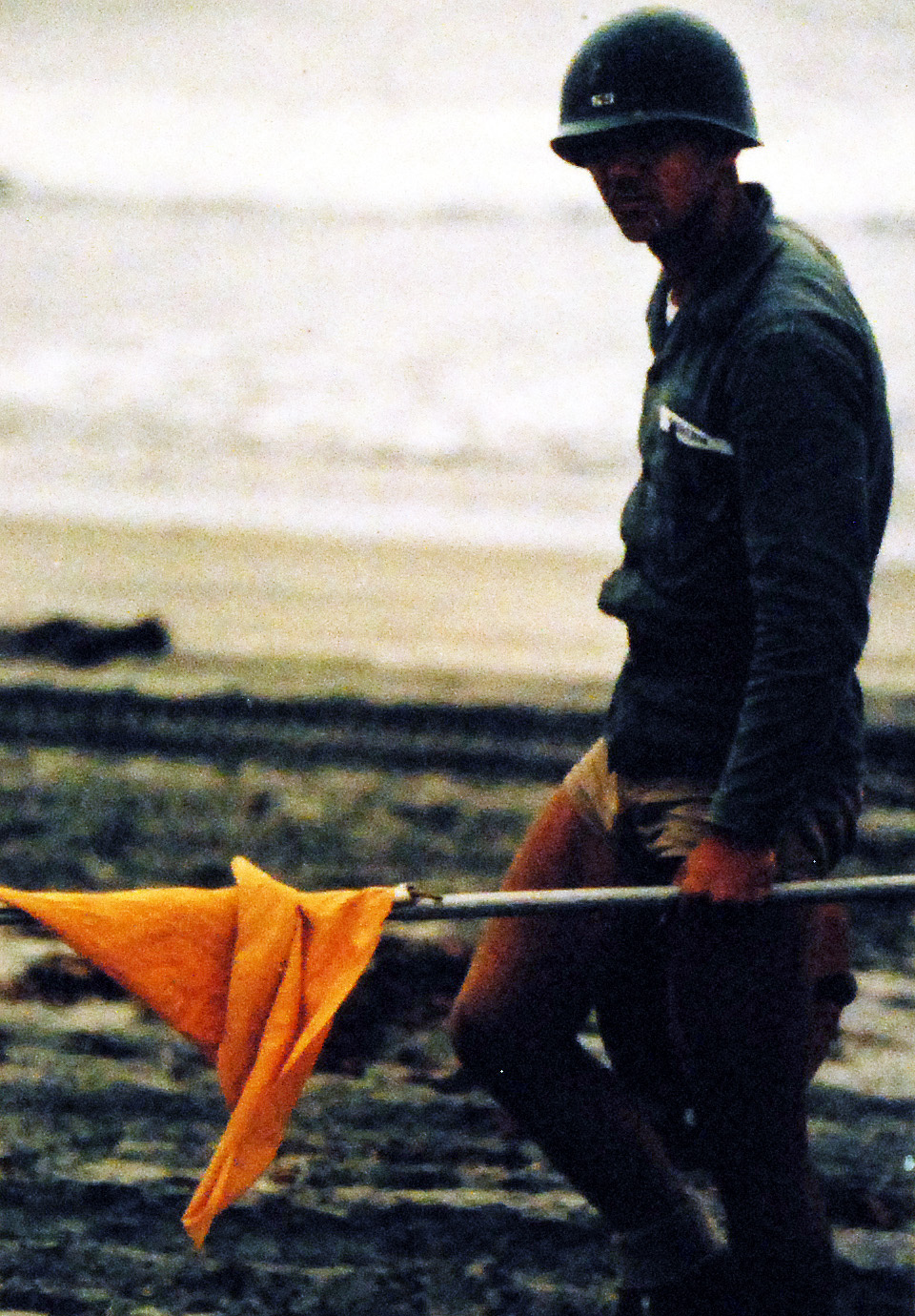
In 1943 the U.S. Navy set up its Amphibious Training Base on the beaches of North Hutchinson Island near Fort Pierce. Here, more than 3,500 men endured punishing training in the surf, sand, and mangroves to become the Navy’s first Underwater Demolition Teams. These frogmen cleared beach obstacles at Normandy, Saipan, Iwo Jima, and Okinawa. The UDT program at Fort Pierce is recognized as the direct origin of today’s Navy SEALs, and the National Navy UDT-SEAL Museum stands on the original training beach.
Events · World War II · Fort Pierce History
Places
The commercial heart of Fort Pierce has occupied the same few blocks along the Indian River since the early 1900s. Today, historic downtown Fort Pierce is a living museum of early-twentieth-century Florida architecture, from the P.P. Cobb building to the restored 1923 Sunrise Theatre. Murals, galleries, and waterfront parks now fill the spaces between the old brick storefronts, drawing visitors who come to experience a Florida downtown that has kept its character intact.
Places · Architecture · Fort Pierce History
Places
The fort planted on the shore in 1838, the years when the river was the only road, the docks and fish houses that were the town’s business, and the 1910 storm that wrecked the wharfs. The town’s side of the lagoon, told from its own waterfront.
Places · Natural History · Fort Pierce History
Industries
Fishing is woven into the very identity of Fort Pierce. Before the railroads arrived, before the citrus groves were planted, people fished these waters. Commercial fishing took hold in the late nineteenth century, and the completion of the Fort Pierce Inlet in 1921 opened direct access to the Atlantic, and made the city a working Atlantic fishing port. Mullet, mackerel, shrimp, and clams sustained families and fueled the local economy for generations.
Industries · Maritime · Fort Pierce History
Industries
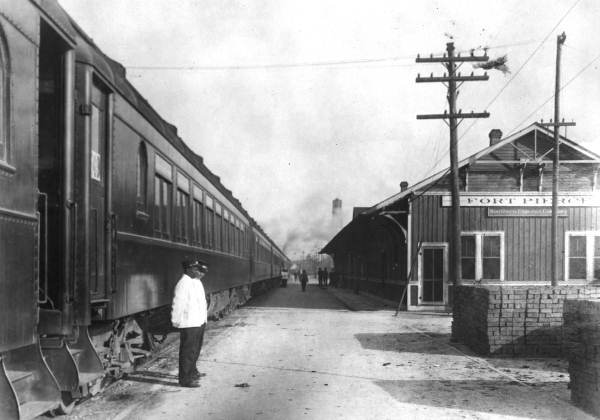
The Indian River citrus district, centered on Fort Pierce and St. Lucie County, produced oranges and grapefruit that buyers paid a premium for, for more than a century. Beginning in the 1890s, citrus cultivation transformed Fort Pierce from a remote frontier settlement into a prosperous agricultural hub. Packing houses, cooperatives, and the Florida East Coast Railway turned the golden fruit into an economic engine that shaped the city’s growth, attracted waves of workers, and defined its identity well into the modern era.
Industries · Agriculture · Fort Pierce History
The Fort Pierce Annals is continuously expanding its archive. If you have a suggestion for a topic we should cover, or if you have historical materials to share, please get in touch. You can also explore the broader regional history at our sister publication, Saint Lucie History.