From literary giant Zora Neale Hurston, who spent her final years in Fort Pierce, to Governor Dan McCarty, the city has produced and harbored figures of national importance. Discover the pioneers, visionaries, and everyday citizens who shaped Fort Pierce history.
Meet the People →
The devastating 1928 Okeechobee Hurricane, the secret World War II training of the Navy’s Underwater Demolition Teams on Fort Pierce beaches, and the civil rights struggles that reshaped the city. These defining moments forged Fort Pierce’s character.
Explore Events →
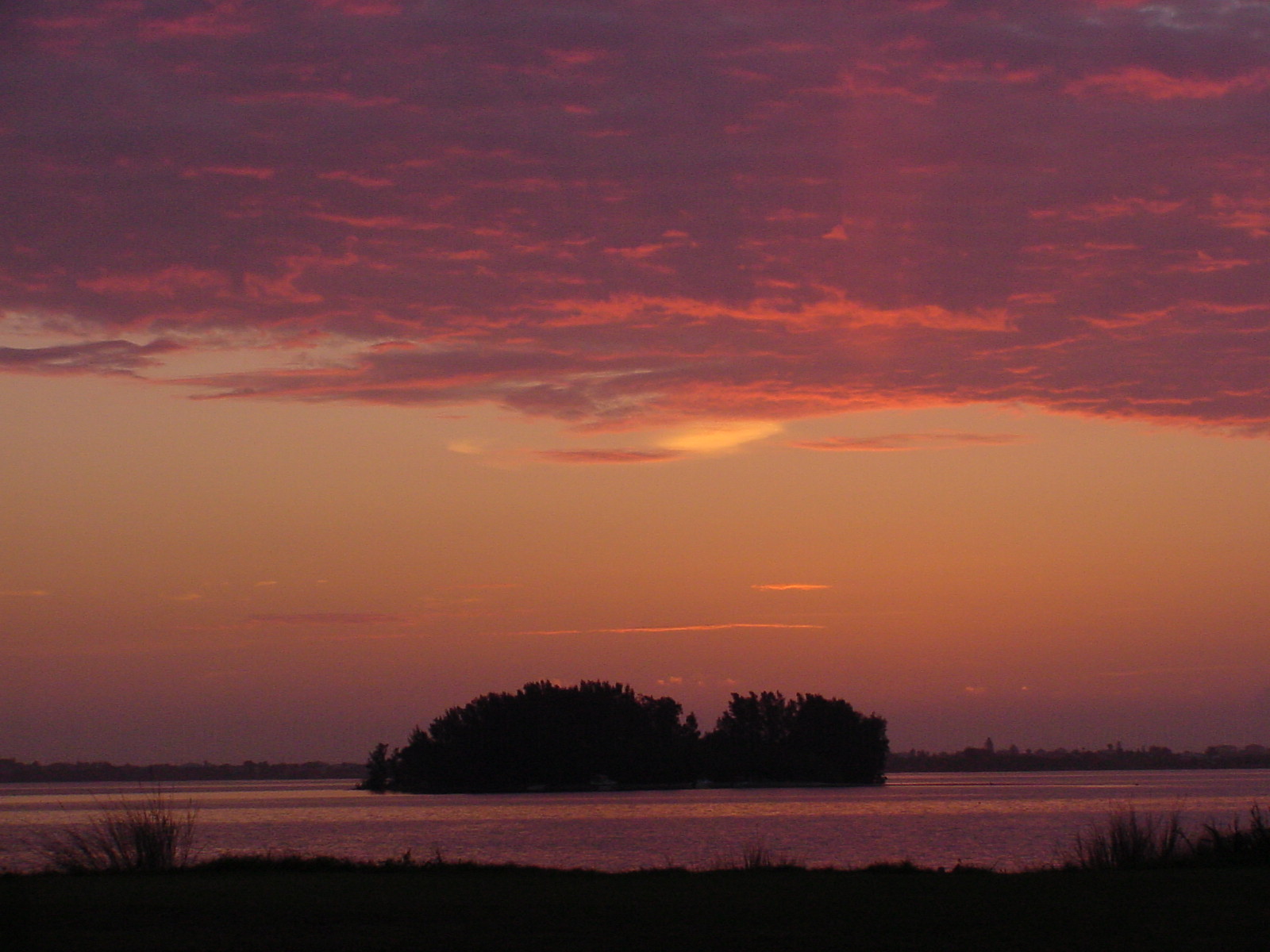
Walk the streets of historic downtown Fort Pierce, gaze across the Indian River Lagoon, and visit the landmarks that tell the story of a city where Florida’s frontier past meets its coastal present. Every corner holds a chapter of history.
Visit the Places →
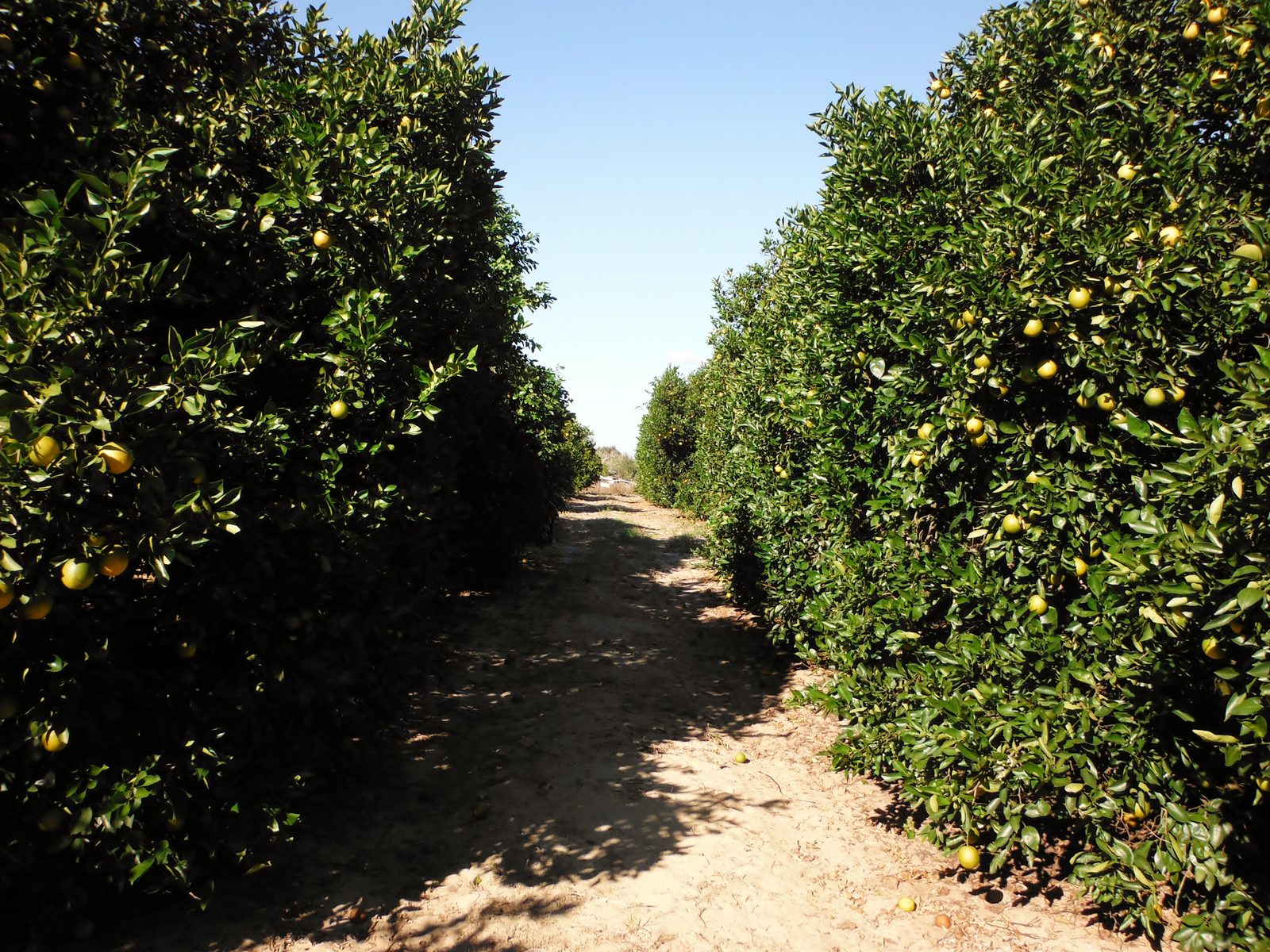
Citrus groves once stretched to every horizon. Commercial fishing boats crowded the inlet. These industries employed Fort Pierce, and they defined it. Trace the economic forces that built the Sunrise City from the ground up.
Discover Industries →
People
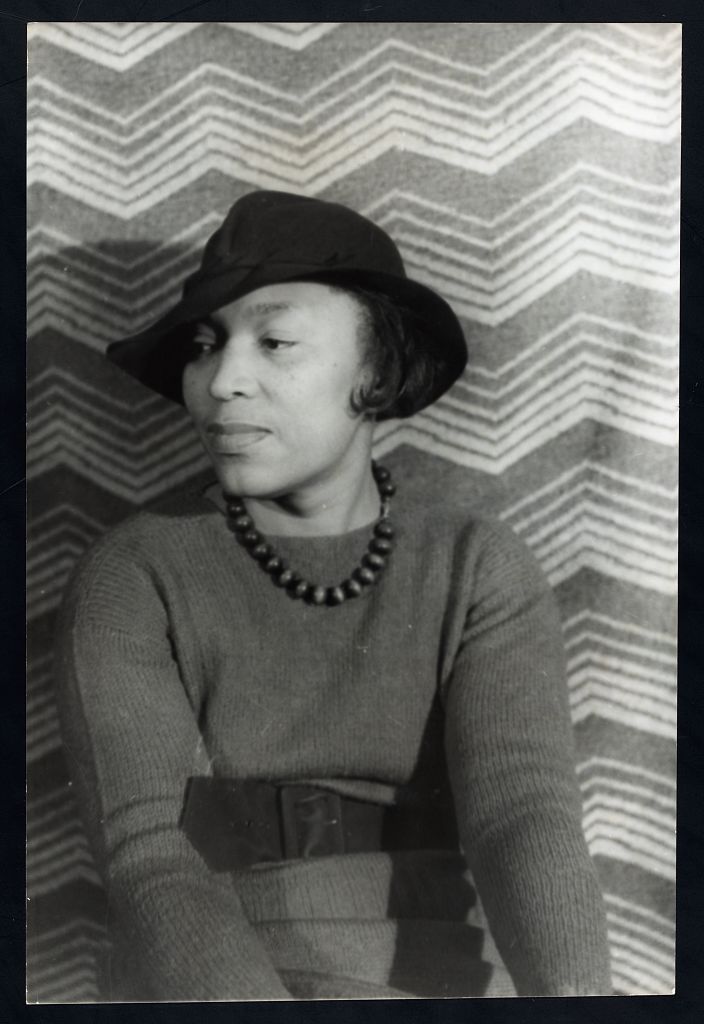
Before she was rediscovered as one of the major American writers of the twentieth century, Zora Neale Hurston spent her last years in Fort Pierce, Florida. She arrived in 1957, largely forgotten by the literary establishment, and took work as a substitute teacher at Lincoln Park Academy while continuing to write. Her years in Fort Pierce were marked by quiet determination and creative resilience, even as poverty and illness closed in. Today her house on School Court is on the National Register of Historic Places, and a heritage trail links the places of her last years, for the woman who wrote Their Eyes Were Watching God in the voice of the Florida she knew so intimately.
Fort Pierce History · People
Read the Full Story
Events
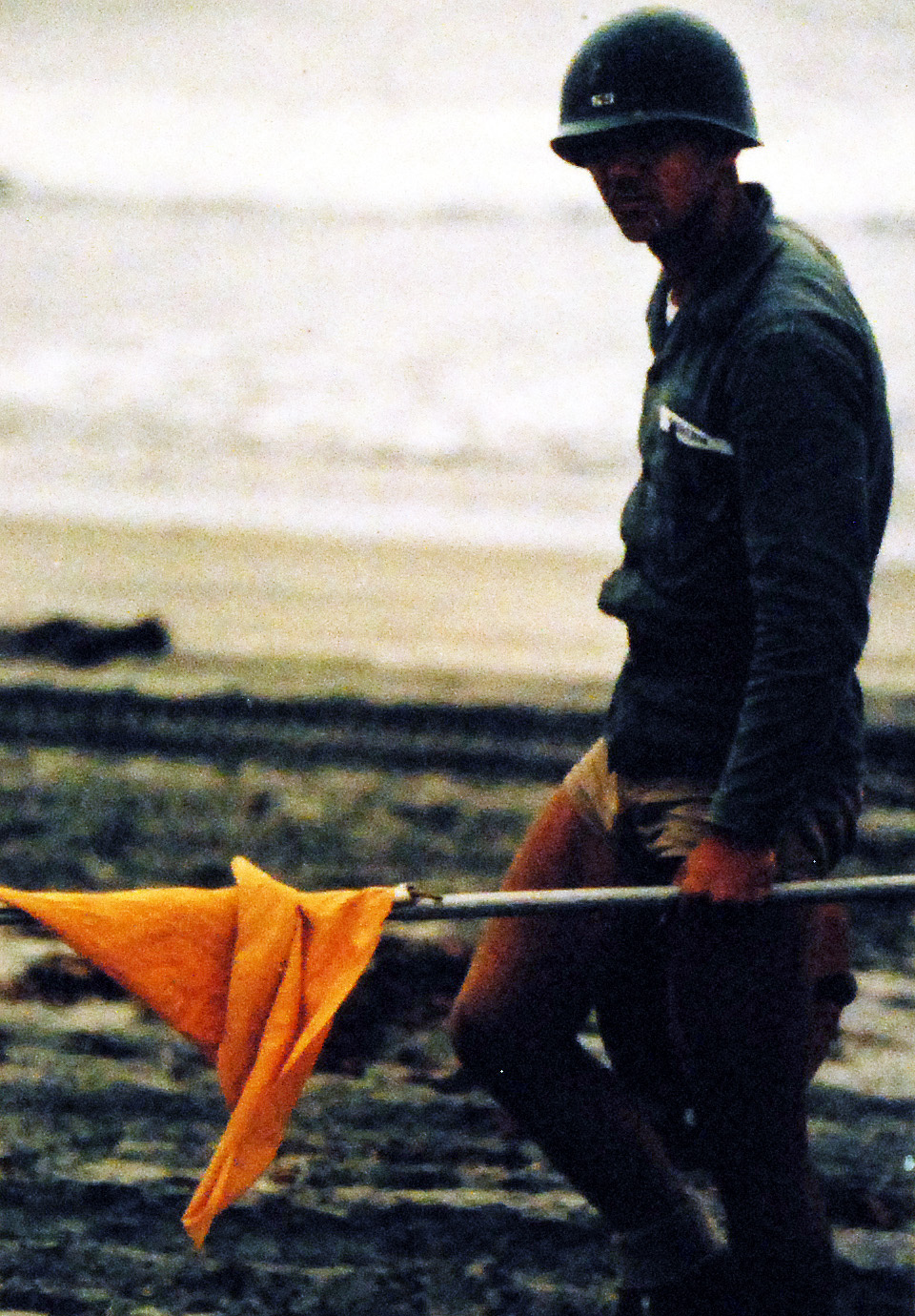
In 1943, the U.S. Navy chose the beaches of North Hutchinson Island near Fort Pierce as the training ground for its newly formed Underwater Demolition Teams. These elite swimmers would clear beach obstacles ahead of amphibious landings at Normandy, Iwo Jima, and across the Pacific. Their legacy endures as the direct ancestors of today’s Navy SEALs.
Events · World War II
Events
On the evening of Sunday, September 16, 1928, the center of one of the greatest hurricanes of record came ashore fifty miles south of Fort Pierce, after hurricane warnings had flown along the coast since morning. It crossed Lake Okeechobee in the night, and about two thousand people drowned along the lake's southeast shore.
Events · Natural Disasters
Places
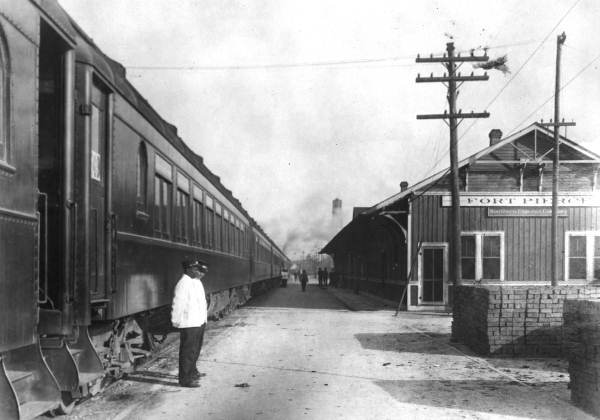
The blocks of downtown Fort Pierce contain some of the oldest commercial architecture on the Treasure Coast. From the P.P. Cobb building to the restored Sunrise Theatre, the historic district tells the story of a city that boomed with pineapples and citrus, weathered hurricanes, and reinvented itself for a new century.
Places · Architecture
Industries
By the 1920s, St. Lucie County was one of the leading citrus-producing regions in the state. Packing houses lined the railroad tracks in Fort Pierce, and the Indian River name became synonymous with premium oranges and grapefruit. The citrus industry shaped the city’s economy, demographics, and physical landscape for more than a century.
Industries · Agriculture
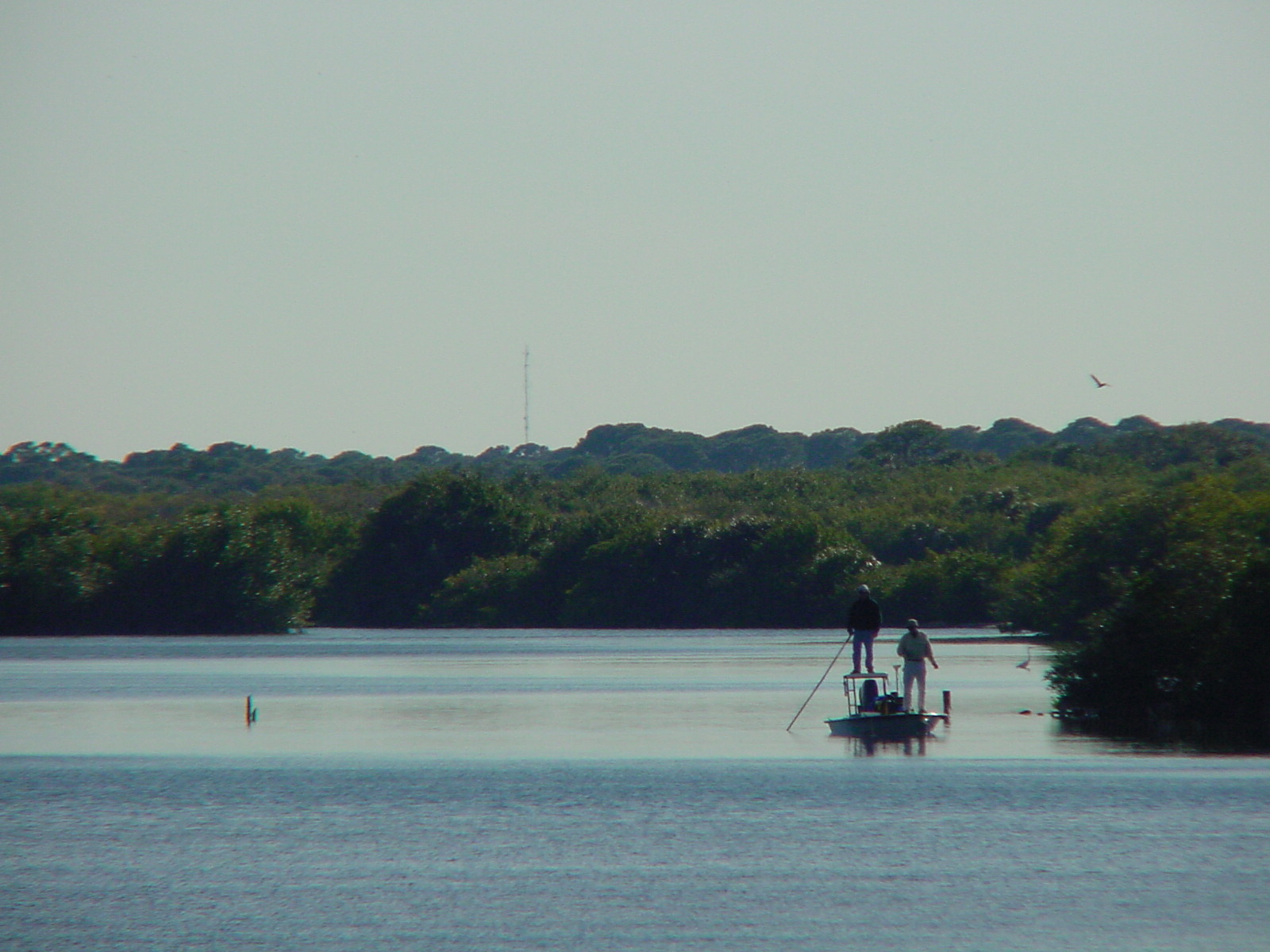
Fort Pierce is a working Florida town: waterfronts, weathered docks, and families who have fished these waters for generations. It is a city built by the hands of those who harvested its land and sea.
People
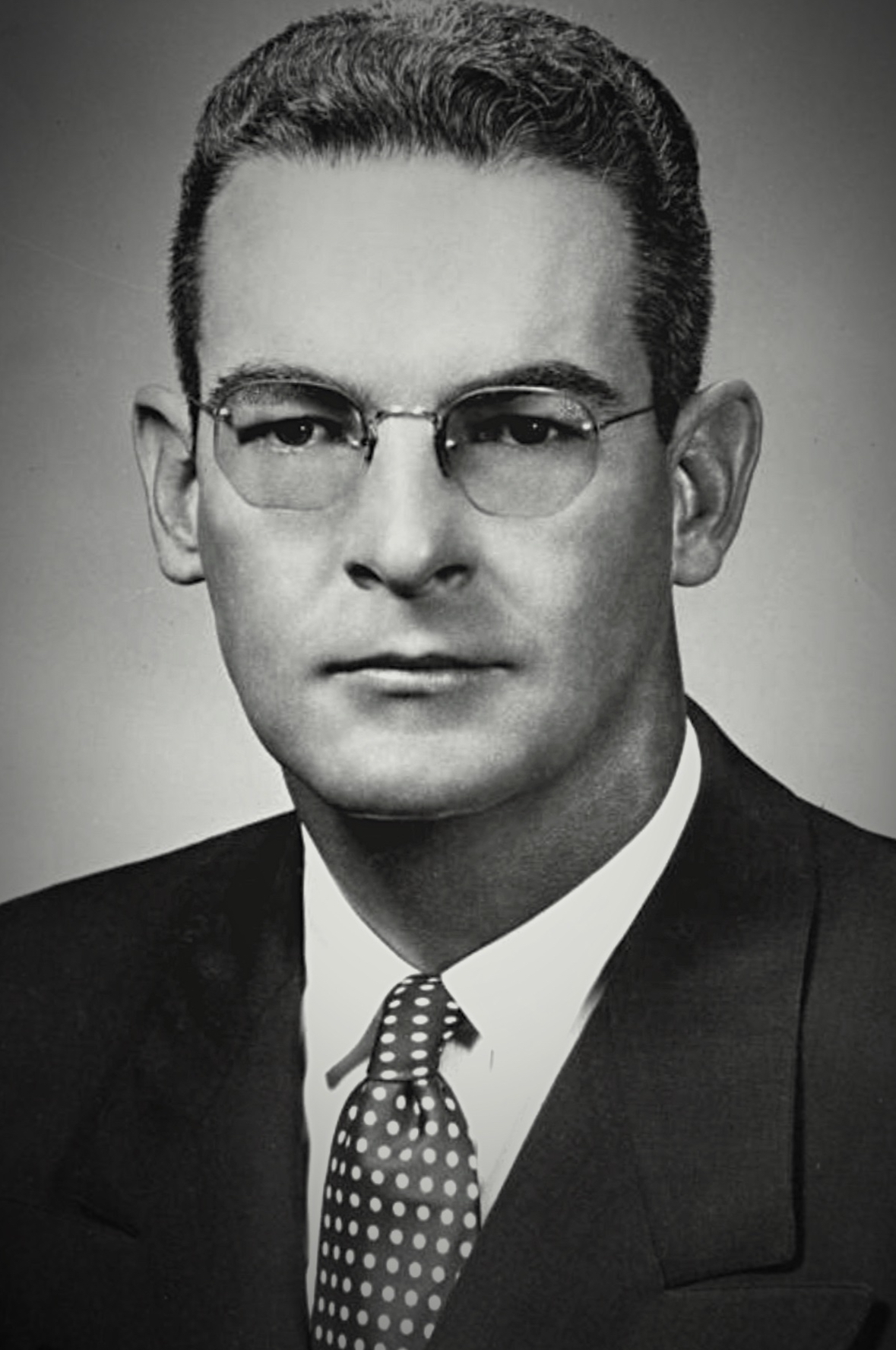
Daniel Thomas McCarty grew up in the citrus groves of Fort Pierce and rose to become the 31st Governor of Florida in 1953. A decorated World War II veteran and tireless advocate for education and conservation, McCarty’s tragically short tenure left a lasting mark on the state.
People · Politics
Industries
Long before tourism arrived on the Treasure Coast, Fort Pierce was a fishing town. Commercial fishermen worked the Indian River Lagoon for mullet and the Atlantic for mackerel, snapper, and grouper. The Fort Pierce Inlet, completed in 1921, transformed the city into a major fishing port on Florida’s east coast.
Industries · Maritime
Places
The fort planted on the shore in 1838, the years when the river was the only road, the docks and fish houses that were the town’s business, and the 1910 storm that wrecked the wharfs. The town’s side of the lagoon, told from its own waterfront.
Places · Natural History
Explore the full story of Fort Pierce
The Fort Pierce Annals is a growing collection of articles covering the people, events, places, and industries that have defined Fort Pierce, Florida, since its founding as a military outpost during the Second Seminole War in 1838. Fort Pierce history spans the frontier era, the great Florida land boom, the devastation of the 1928 hurricane, the secret military operations of World War II, the citrus and fishing booms, and the ongoing revitalization of its historic downtown.
Our sister publication, Saint Lucie History, covers the broader history of St. Lucie County, including the communities, landscapes, and events beyond Fort Pierce’s city limits.
Browse All Articles